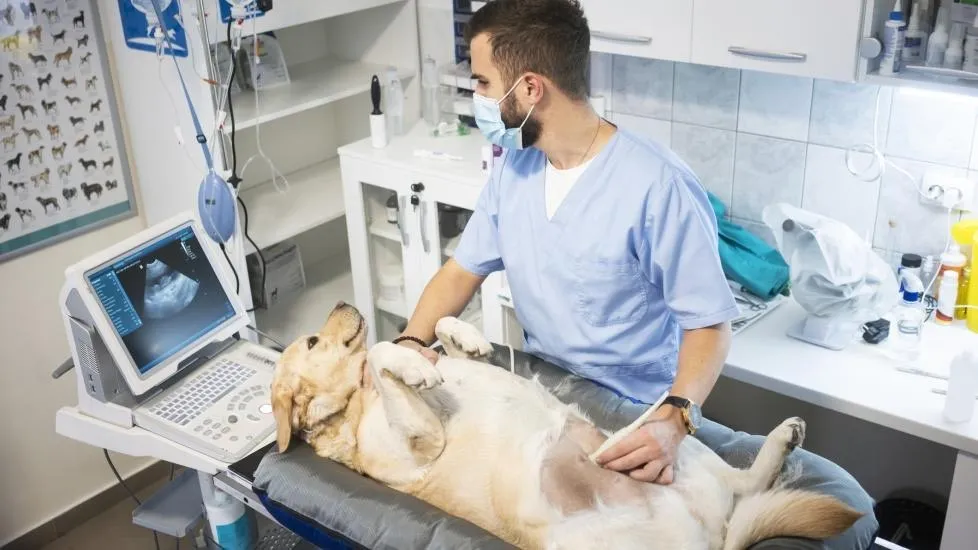
Ultrasound in Kenockee, MI
Welcome to Cobblestone Veterinary Hospital, your trusted resource for advanced pet ultrasound diagnostics in Kenockee. Our veterinary team provides compassionate, thorough care for dogs and cats alike.
Understanding Ultrasound
Ultrasound is a non-invasive imaging tool that allows our veterinarians to see inside your pet’s body in real time. Using sound waves, ultrasound provides detailed images of your pet’s organs, tissues, and blood flow, without discomfort or radiation exposure. This technology helps us diagnose conditions affecting the abdomen, heart, and other soft tissues quickly and accurately.
Veterinary ultrasound in Kenockee is especially valuable for identifying internal problems that may not show up on x-rays or blood tests. It enables early detection of issues such as tumors, bladder stones, pregnancy, or organ abnormalities. By catching problems sooner, we can create more effective treatment plans and improve your pet’s quality of life. At Cobblestone Veterinary Hospital, we use ultrasound to support timely, informed decisions about your pet’s health.
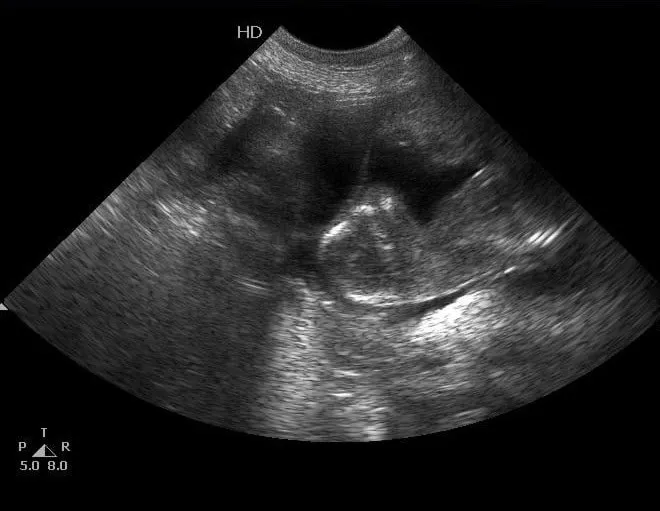
What to Expect During Ultrasound
When your pet needs an ultrasound at Cobblestone Veterinary Hospital, we make the process as stress-free as possible. Here’s how our team ensures your pet’s comfort and delivers clear results.
Initial Consultation and Exam
Our veterinarians begin with a thorough physical exam and review of your pet’s medical history. We discuss symptoms and explain why ultrasound is recommended. This approach helps us tailor the procedure to your pet’s specific needs and answer any questions you may have.
Gentle Preparation
To ensure accurate images, we gently shave a small area of fur and apply a special gel to your pet’s skin. Most pets are awake during the ultrasound; our team uses Fear Free techniques to keep them calm and comfortable throughout the process.
Real-Time Imaging
During the ultrasound, our veterinary professionals move a handheld probe over the prepared area. The images appear instantly on our monitor, allowing our veterinarians to examine organs, tissues, and blood flow in detail. We may ask your pet to change positions for the best view.
Review and Next Steps
Once the ultrasound is complete, our team reviews the images and discusses the findings with you. We explain what was observed and recommend any further diagnostics or treatments if needed. You’ll leave with a clear understanding of your pet’s health and the next steps for their care.
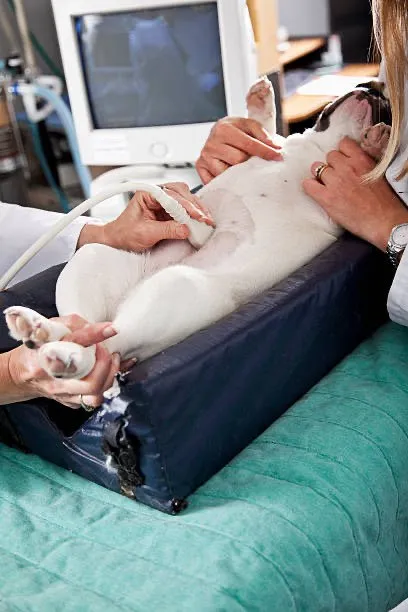
Why Ultrasound is Important for Your Pet
Ultrasound is a vital tool for diagnosing a wide range of health concerns in pets. It helps our team detect issues early, monitor ongoing conditions, and guide treatment decisions with confidence. Rapid, accurate diagnosis leads to better outcomes and peace of mind for you and your pet.
Non-Invasive and Painless
Ultrasound uses sound waves, not radiation, and does not require surgery or sedation in most cases. This makes it a safe, low-stress diagnostic option for pets of all ages.
Early Detection of Illness
By visualizing internal organs and tissues, ultrasound can reveal problems that may not be apparent through exams or bloodwork alone. Early detection supports more effective treatment and improved recovery.
Guided Treatment Planning
Ultrasound imaging helps our veterinarians pinpoint the exact location and nature of internal issues. This precision allows for targeted treatment and better monitoring of your pet’s progress over time.
Signs Your Pet May Need an Ultrasound
Some symptoms suggest your pet could benefit from an ultrasound evaluation. If you notice any of the following, contact our team to discuss whether a veterinary ultrasound in Kenockee is appropriate:
- Unexplained weight loss or appetite changes
- Persistent vomiting or diarrhea
- Abdominal swelling or discomfort
- Difficulty urinating or blood in urine
- Lethargy or unexplained weakness
If your pet is showing these signs, schedule an appointment as soon as possible. Our team can determine if an ultrasound or other diagnostic test is needed to identify the cause and help your pet feel better.
How Often Should Your Pet Receive Ultrasound?
Most pets do not need routine ultrasounds. This test is typically recommended when your veterinarian suspects an internal health issue or needs to monitor a known condition. For pets with chronic illnesses, such as heart disease or liver disease, periodic ultrasounds may be advised to track changes over time. If your pet is pregnant, ultrasound can confirm pregnancy and monitor fetal development. Always follow your veterinarian’s recommendations for the best timing and frequency based on your pet’s health status and needs.
Practice Highlights
At Cobblestone Veterinary Hospital, we combine advanced technology with a friendly, small-town atmosphere. Here’s what sets our practice apart:
- Fear Free Certified Team
- Experienced veterinarians, including Dr. Torres, DVM
- Advanced imaging equipment
- Same-day urgent care appointments available
- House call and pick-up/drop-off services
- Welcoming, client-focused environment

Schedule Your Pet's Ultrasound Appointment Today
If your pet needs a veterinary ultrasound in Kenockee, trust Cobblestone Veterinary Hospital for expert, compassionate care. Our conveniently located clinic is just minutes from Goodells, Emmett, and surrounding communities. Call us at (810) 985-3011 or visit us at 8504 Lapeer Rd., Kenockee, MI 48006. We are open Monday, Tuesday, and Friday from 9am to 5pm, and Wednesday and Thursday from 10am to 6pm. Our team is dedicated to providing high-quality veterinary care and clear communication every step of the way. Contact us today to schedule your pet’s ultrasound or to speak with our veterinary professionals about your concerns.
Ultrasound: Frequently Asked Questions
What conditions can a veterinary ultrasound detect in pets?
Ultrasound can help diagnose a range of conditions in pets, including tumors, organ abnormalities, bladder stones, heart disease, and pregnancy. At Cobblestone Veterinary Hospital, our veterinarians use ultrasound to identify internal problems and guide the best treatment plan for your dog or cat.
Source: Ultrasound Examination in Dogs (VCA Animal Hospitals)
How much does a pet ultrasound cost, and how long does it take?
The cost of a pet ultrasound varies depending on the complexity and area scanned. Most ultrasounds at our Kenockee clinic take 20–45 minutes. For an accurate estimate and to discuss your pet’s needs, please call (810) 985-3011. We accept several payment options and pet insurance.
How should I prepare my pet for an ultrasound appointment?
Generally, pets should not eat for several hours before an abdominal ultrasound. Our team will provide specific instructions when you schedule your appointment. If your pet is on medication or has special needs, let us know so we can make the experience as comfortable as possible.
Source: Ultrasound Examination in Cats (VCA Animal Hospitals)
Is ultrasound safe for all pets, and are there risks involved?
Ultrasound is a safe, non-invasive procedure for dogs and cats of all ages. It uses sound waves, not radiation, and does not usually require sedation. If your pet has unique health concerns, our veterinarians will discuss any special considerations before the procedure.
Source: Ultrasound Examination in Dogs (VCA Animal Hospitals)
How do I schedule a veterinary ultrasound, and what are your hours?
To schedule a veterinary ultrasound in Kenockee, call Cobblestone Veterinary Hospital at (810) 985-3011 or visit us at 8504 Lapeer Rd., Kenockee, MI 48006. We are open Monday, Tuesday, Friday 9am-5pm, Wednesday and Thursday 10am-6pm.