Allergy Care in Kenockee, MI
A dog or cat who can’t stop scratching, licking, or chewing is miserable, and so are the people who love them. At Cobblestone Veterinary Hospital, we help itchy pets find relief.
Understanding Allergy Care
Allergies happen when your pet’s immune system overreacts to something that is usually harmless. In dogs and cats, the most common triggers are flea bites, things in the environment such as pollens, molds, and dust mites, and ingredients in food.
Itching is the most common sign. Over time, scratching and licking can lead to hair loss, red or darkened skin, and skin and ear infections. Some pets also sneeze, and some cats develop asthma.
Treating allergies is one of Dr. Luana Torres’s favorite subjects. Most allergies can’t be cured, but they can usually be managed well. Our goal is to find what’s driving your pet’s itch and build a plan that keeps them comfortable year after year. She’s very thorough and great at explaining, so you’ll understand each step of your pet’s care.

What to Expect During an Allergy Visit
Finding the cause of an itch often takes some detective work. Here’s how we approach it at our Kenockee hospital.
History and Exam
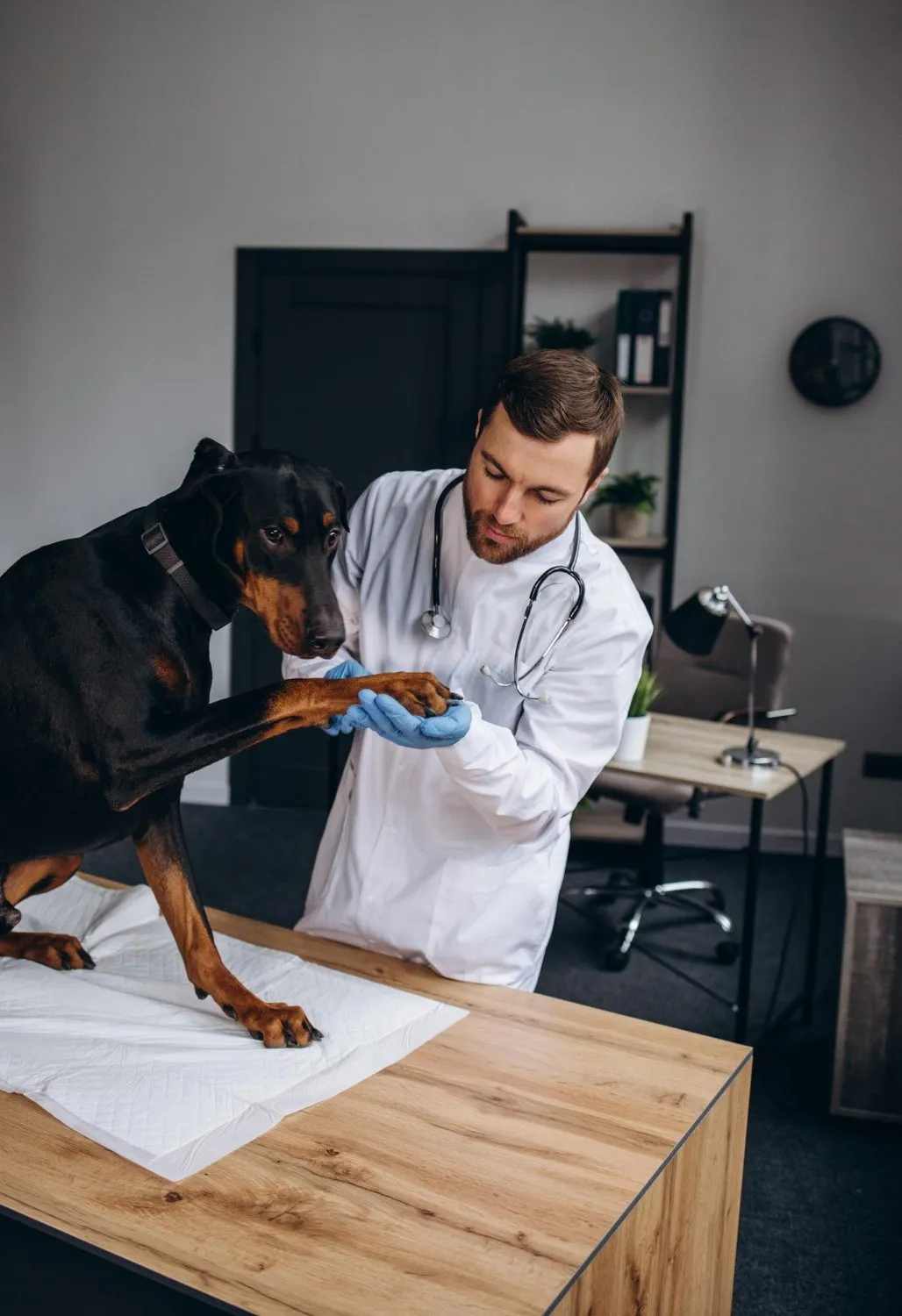
We’ll ask when the itching started, whether it’s worse in certain seasons, what your pet eats, and what flea prevention they use. Then your veterinarian will check your pet’s skin, coat, ears, and paws closely. Photos of flare-ups and a list of foods, treats, and medications your pet gets can be a big help, so bring them along if you can.
Ruling Out Other Causes
Fleas, mites, and skin infections can look a lot like allergies. Your veterinarian may check for parasites and look at skin or ear samples under a microscope. Treating these problems first often brings quick relief.
Narrowing Down the Trigger
There is no single test that diagnoses environmental allergies. Instead, it’s diagnosed by looking at the whole picture and ruling out other causes. If a food allergy is possible, we may recommend a strict diet trial with a special food for several weeks, with no other foods or treats. If allergy testing makes sense for your pet, we’ll talk through the options with you.
A Plan for Relief
We’ll build a treatment plan that fits your pet and your household, explain each part of it, and schedule follow-up visits to see how it’s working and make changes when needed.

Why Allergy Care Is Important for Your Pet
Allergies aren’t just a nuisance. Constant itching affects your pet’s sleep, mood, and skin health, and untreated allergies often lead to repeated skin and ear infections. With the right plan, most allergic pets can live comfortable, happy lives.
Relief From Itching
There are many ways to calm the itch, including prescription anti-itch medications, medicated shampoos and other topical care, and treatment of any skin or ear infection.
Treating the Cause
Strict flea control helps flea-allergic pets. Pets with food allergies improve when they avoid the ingredients that trigger them. For environmental allergies, allergen-specific immunotherapy, given as injections or drops, can reduce your pet’s sensitivity over time.
Fewer Flare-Ups
Allergies are usually lifelong, so the goal is long-term control. Regular check-ins let us adjust the plan before small flare-ups become big ones.
Healthier Skin and Ears
Keeping the itch under control helps protect the skin, which means fewer infections and less need for repeat treatments.
Helping Your Allergic Pet at Home
You’re an important part of your pet’s allergy care. A few things make a real difference:
- Keep up with the flea prevention we recommend, since even a few flea bites can set off an itch
- Follow diet trials exactly, including treats and flavored medications
- Bathe with any medicated shampoo as directed
- Give medications as prescribed, even when your pet seems better
- Keep track of flare-ups and let us know what you notice
Signs Your Pet May Have Allergies
Schedule a visit if you notice:
- Frequent scratching, licking, or chewing, especially at the paws
- Rubbing the face or eyes
- Repeated ear infections or head shaking
- Hair loss, redness, scabs, or darkened skin
- Itching that comes back every spring or summer
- Vomiting or diarrhea along with itchy skin
If your pet ever has trouble breathing, seek emergency care right away.
How Often Should Your Pet Receive Allergy Care?
It depends on your pet. Some pets need treatment only during allergy season, while others need year-round care. Plan on more frequent visits at first while we find what works, then regular rechecks to keep your pet comfortable. Treatment plans often change over time, and that’s normal.
Practice Highlights
- Allergy care is a favorite subject of Dr. Luana Torres, DVM
- Very thorough exams and clear explanations
- Fear Free practices for anxious dogs and cats
- In-house bloodwork and reference lab testing
- Pharmacy and online pharmacy options for ongoing medications
Sources: Allergies in Dogs (Merck Veterinary Manual), Allergies of Cats (Merck Veterinary Manual), Atopic Dermatitis (Atopy) (Cornell University College of Veterinary Medicine, Riney Canine Health Center), Flea Allergy (Cornell University College of Veterinary Medicine, Cornell Feline Health Center), Food Allergies (Cornell University College of Veterinary Medicine, Cornell Feline Health Center), Recognizing a Medical Emergency in Small Animals (University of Missouri Veterinary Health Center)

Schedule Your Pet’s Allergy Appointment Today
If your pet is itching, licking, or dealing with ear infections that keep coming back, let us help. Call Cobblestone Veterinary Hospital at (810) 985-3011 to schedule an allergy visit, or come see us at 8504 Lapeer Rd., Kenockee, MI 48006, near Goodells County Park. We’re open Monday, Tuesday, and Friday 9 am–5 pm and Wednesday and Thursday 10 am–6 pm. We serve pets from Port Huron, Goodells, Emmett, Marysville, and nearby towns, and we’d love to help your itchy pet feel comfortable again.
Allergy Care: Frequently Asked Questions
What are the signs of allergies in dogs and cats?
Itching is the most common sign, especially of the paws, face, ears, legs, and belly. You may also see licking, chewing, face rubbing, hair loss, scabs, and repeated ear or skin infections. If your pet is showing these signs, call Cobblestone Veterinary Hospital at (810) 985-3011.
How do you find out what my pet is allergic to?
There’s no single test that diagnoses environmental allergies. Your veterinarian looks at the pattern of itching, your pet’s history, and the exam, and rules out look-alikes such as fleas, mites, and infections. Allergy testing can help identify specific triggers when immunotherapy is being considered. We’ll talk through what makes sense for your pet.
Could my pet have a food allergy?
It’s possible. Food allergies are diagnosed with a strict elimination diet trial, often for up to about three months, using a special diet and no other foods or treats. Blood and skin tests aren’t reliable for diagnosing food allergies. If your pet improves on the diet, we may reintroduce old foods to confirm the trigger.
Can my pet’s allergies be cured?
Most environmental allergies can’t be cured, but they can usually be managed well. Options include anti-itch medications, topical care like medicated shampoos, flea control, and allergen-specific immunotherapy. Plans are tailored to each pet and often adjusted over time.
How do I schedule an allergy appointment?
Call us at (810) 985-3011 or visit 8504 Lapeer Rd., Kenockee, MI 48006. We’re open Monday, Tuesday, and Friday 9 am–5 pm and Wednesday and Thursday 10 am–6 pm. Treating allergies is one of Dr. Torres’s favorite subjects, and she’ll take the time to explain your pet’s plan.